
Samsung Galaxy S26 arriving in February: Exynos or Snapdragon chip for Europe?
The Samsung Galaxy S26 arrives in February. We analyze the real-world impact of the choice between Exynos and Snapdragon processors for the European market, evaluating energy efficiency, thermal management, and daily operational performance.

The Technological Crossroads of February
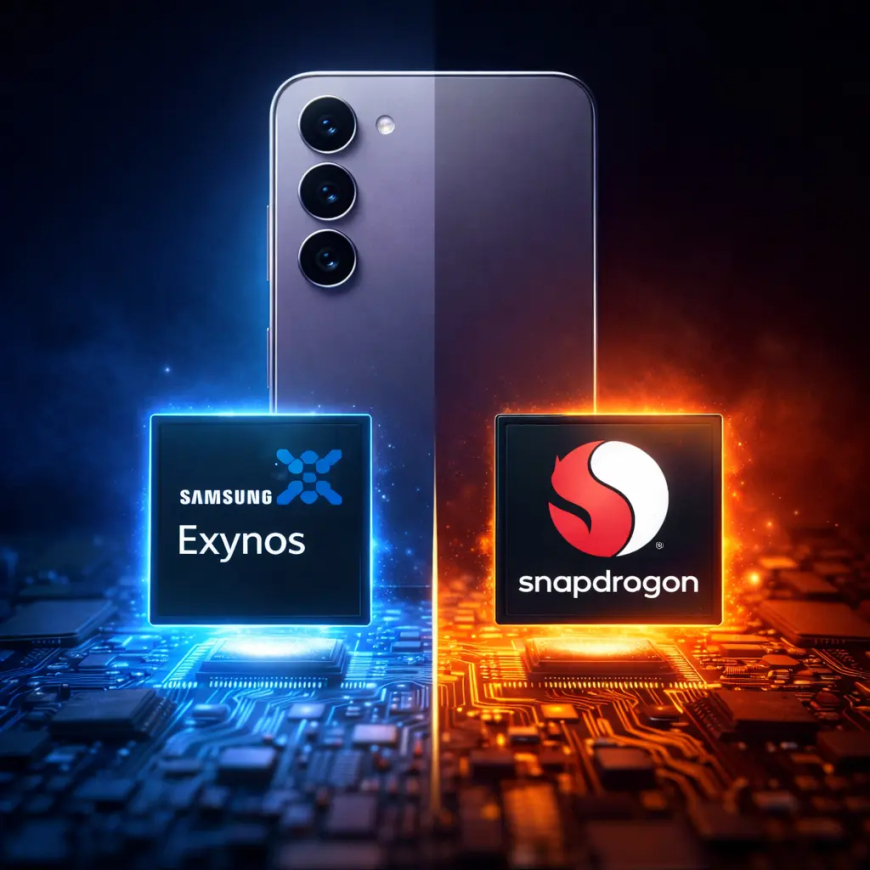
February is just around the corner, and in our digital labs, attention inevitably shifts to the customary appointment with the renewal of the Galaxy S range. While managing data streams and optimizing infrastructures for mobile, we observe that the arrival of the Samsung Galaxy S26 is not merely a matter of new chassis or higher-definition cameras, but rather reignites a technical debate that directly impacts the user experience on our continent. The "dual processor" issue remains the central knot for those who, like us, use these devices not just for communication but as operational terminals for cloud management and multimedia.
In Europe, we often face a hardware reality different from our North American or Korean colleagues. The distinction between the proprietary Exynos chipset and the Qualcomm Snapdragon solution is not just a spec sheet detail, but a variable that influences system stability under load. Working daily with heavy applications and background synchronizations at GoBooksy, we notice that thermal management and energy efficiency are the true discriminators, far more than synthetic benchmark scores which often prove irrelevant in practice.
The Real Impact of Silicon on Performance
The main concern we encounter when analyzing leaked technical specifications regards performance consistency. Historically, the geographical division of chipsets has created discrepancies in heat management and battery life. When we use a smartphone for on-the-go editing or prolonged 5G tethering during business trips, a less efficient processor translates into premature overheating. This phenomenon, known as thermal throttling, drastically reduces computing power to preserve components, effectively slowing down our operations right when we need them most.
For the Galaxy S26, indications suggest a persistence of this dual-track strategy, with a high probability of seeing the new-generation Exynos equipping the base and Plus models destined for the European market. Although Samsung has made giant strides in optimizing its proprietary architecture, narrowing the gap with its American counterpart, mistrust remains palpable among professionals. The management of the integrated modem and the Image Signal Processor (ISP) are critical components: a less efficient modem means more energy-intensive signal searching, a detail that penalizes those working on the move between zones of varying coverage.
The Ultra Strategy and Experience Fragmentation
The Ultra variant often deserves a separate discussion, as it has historically enjoyed preferential treatment, adopting Snapdragon solutions globally to ensure uniformity on the flagship product. This differentiation creates an operational rift within the same product family. At GoBooksy, we carefully evaluate these dynamics because they influence the recommendations we make internally and to partners. If the flagship model guarantees a more stable instruction set for virtualization or video processing, it becomes the only logical choice for professional use, relegating the other models to a secondary role despite their premium price tag.
The maturity of the One UI software plays a fundamental role in masking these hardware differences. We have observed how software optimization can compensate for some raw silicon deficiencies, better managing background processes and distributing workloads across various cores. However, pure transistor efficiency remains an impassable physical limit. If the base architecture consumes more watts to execute the same task, no software update can return that percentage of battery lost at the end of the day.
Towards Operational Awareness
Looking ahead to the February launch, our analysis shifts from simple technological curiosity to the evaluation of long-term reliability. For a digital ecosystem, predictability is value. Knowing that a device will behave the same way regardless of external temperature or the duration of the work session is fundamental. Samsung's bet with the new Exynos will have to prove in the field, and not in labs, that it has definitively resolved the energy bottlenecks that plagued previous generations.
Choosing a mobile device in 2026 cannot be based solely on brand loyalty but must consider the physical reality of the processor that constitutes its heart. Whether it is Exynos or Snapdragon, what matters to us and to end users is performance transparency and the device's ability to sustain today's work rhythms without uncertainty. We await putting the real hardware to the test in our workflows at GoBooksy to understand if, this time, the gap has finally been bridged or if Europe will still have to compromise.