
Apple prepares three iPhone 18 models: Standard, Pro and Ultra
We analyze the future iPhone 18 lineup introducing the Ultra variant alongside Standard and Pro. We explore the technical implications of variable aperture and operational segmentation for digital professionals.

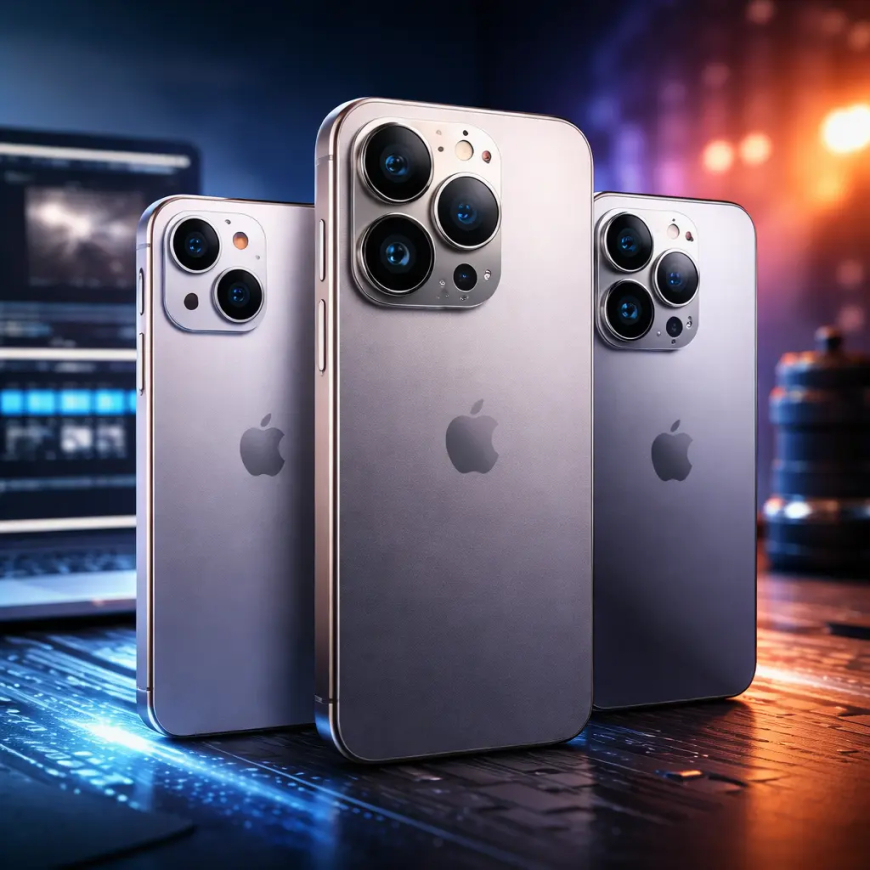
The continuous evolution of mobile devices is never merely an exercise in style, but a direct response to the increasingly complex demands of digital infrastructures and content creation. At GoBooksy, we observe daily how pocket-sized computing power influences the way data is consumed and produced. Recent indications from the technology supply chain confirm a substantial shift for Apple's next hardware cycle, which appears intent on structuring the iPhone 18 family on three distinct pillars: the Standard model, the Pro line, and the unprecedented Ultra positioning.
This segmentation does not merely respond to market logic but reflects an engineering necessity we often encounter when working on high-density multimedia flows. The differentiation between models is becoming a matter of internal architecture and optical capability, not just screen size or battery life. The Standard model is destined to inherit technologies consolidated in previous generations, ensuring that operational stability necessary for the user who experiences digital life as a tool for consumption and rapid communication, without the need to handle heavy workloads such as real-time rendering or raw video acquisition.
The true generational leap, however, manifests in the distinction between the Pro range and the new Ultra designation. From the technical data we analyze in the sector, it emerges that the iPhone 18 Ultra will not simply be a larger phone, but a device designed to overcome the physical limits of current mobile photography. The most significant innovation, changing the rules of the game for those of us at GoBooksy involved in digital publishing and visual production, concerns the integration of a variable aperture main camera. This technology allows the sensor to manage light and depth of field mechanically, similar to professional cameras, reducing reliance on software algorithms to create bokeh effects or handle high-contrast scenes.
For professionals who use the smartphone as a primary acquisition tool, this is an operational revolution. Today, we often see digital images suffer from artifacts due to imperfect software simulation of depth; the introduction of a mechanical diaphragm in the Ultra model would solve these problems at the root, offering an organic sharpness that post-production software no longer needs to artificially reconstruct.
In parallel, thermal management and processor power play a crucial role in this tripartite division. At GoBooksy, we notice how modern applications, especially those integrating augmented reality elements or local neural processing, require resources that strain current devices. The Pro and Ultra lines seem destined to integrate chips with advanced thermal architecture, capable of sustaining prolonged performance peaks without throttling—that forced slowdown the system imposes to prevent overheating. This is fundamental for those working on the go who cannot afford performance drops during video export or light code compilation.
Another aspect often underestimated, but which massively impacts the final user experience, is display technology. The differentiation among the three models will almost certainly pass through the energy efficiency of the panels and variable refresh rates. While the Standard model will continue to offer excellent color rendering, the superior models will push on the efficiency of new emissive materials to guarantee visibility under direct sunlight and superior battery management, necessary to power larger and more demanding photographic sensors.
Apple's choice to introduce an Ultra level signals that the smartphone has ceased to be a universal product and has become a specialized tool. We are no longer facing a scale of "good, better, best," but a functional division based on usage intent. Those who produce, create, and manage complex infrastructures will find a miniaturized workstation in the Ultra; those needing reliability and solid performance will find the ideal balance in the Pro; those seeking access to the ecosystem without excessive technical frills will turn to the Standard.
Understanding these differences is essential to avoid incorrect investments. We often see users purchasing hardware oversized for their real needs, or conversely, professionals frustrated by hardware limitations slowing down their workflow because they underestimated memory or graphic processing specifications. The evolution towards the iPhone 18 invites us to reflect not so much on the novelty itself, but on the coherence between the technological tool and the task it must perform in our digital daily life.